



Basketball is a fast-paced game that rewards athleticism, decision-making, and teamwork. But before players can develop advanced moves or complicated strategies, they need to master the fundamentals.
Whether you're picking up a basketball for the first time, returning to the court, or looking to sharpen your skills, focusing on the basics can help build confidence and create a stronger foundation for your game.
Here are the basketball fundamentals every player should work on.
1. Master Your Dribbling
Dribbling is one of the first skills every basketball player should develop. Being comfortable with the ball allows you to move around the court, create space, and attack defenders.
Start with basic drills using both hands before progressing to more advanced combinations.
Practice:
-
Stationary dribbling
-
Right- and left-hand dribbling
-
Crossover dribbles
-
Between-the-legs dribbles
-
Behind-the-back dribbles
-
Change-of-speed and change-of-direction drills
The goal isn't simply to perform flashy moves. Good ball handling means being able to control the ball confidently while keeping your eyes up and reading the court.
2. Develop Proper Passing
Basketball is a team sport, and effective passing can create opportunities that individual play can't.
Players should learn to make accurate passes while understanding when and where to deliver the ball.
Start with the basic pass types:
-
Chest passes
-
Bounce passes
-
Overhead passes
-
One-handed passes
As you improve, work on passing while moving and making decisions under defensive pressure.
Good passing is about more than accuracy. Timing, awareness, and communication are equally important.
3. Build a Reliable Shooting Form
Shooting is one of the most important offensive skills in basketball. Developing consistent mechanics allows players to become more confident from different areas of the court.
Focus on the fundamentals of your shooting form:
Balance: Keep your feet stable and aligned toward the basket.
Hand placement: Your shooting hand should control the ball while your guide hand helps keep it aligned.
Elbow position: Keep your shooting elbow comfortably aligned beneath the ball.
Follow-through: Finish with your shooting hand extended toward the basket.
Start close to the rim and gradually move farther away as your form becomes more consistent.
4. Learn to Finish at the Rim
Being able to score close to the basket is essential for guards, wings, and big players alike.
Layups are one of the first finishing techniques players should master. Practice finishing with both your right and left hand so you're comfortable attacking from either side.
Once you've developed confidence with basic layups, add variations such as:
-
Reverse layups
-
Euro steps
-
Power finishes
-
Floaters
-
Finishes through contact
The more comfortable you become around the rim, the more options you'll have when defenders challenge your shot.
5. Improve Your Footwork
Great footwork can make a major difference in basketball. It helps players create separation, defend effectively, maintain balance, and react quickly.
Important movements to practice include:
-
Jump stops
-
Pivoting
-
Defensive slides
-
Jab steps
-
Drop steps
-
Quick changes of direction
Footwork becomes especially important when combining other skills. A strong dribble becomes more effective when paired with the ability to stop, pivot, or explode in another direction.
6. Don't Forget Defense
Becoming a complete basketball player means learning to contribute on both ends of the court.
Good defense starts with your stance. Keep your knees bent, stay balanced, and maintain an active position that allows you to react to the offensive player.
Work on:
-
Defensive slides
-
Closeouts
-
Staying in front of your opponent
-
Help defense
-
Boxing out
-
Contesting shots without unnecessary fouls
Defense also requires communication. Calling out screens, switches, and help situations can make everyone on the team more effective.
7. Practice Rebounding
Rebounding isn't only about being the tallest player on the court. Positioning, timing, and effort all play important roles.
Players should learn to find their opponent, establish position, and box out before pursuing the ball.
On offense, crashing the boards can create second-chance opportunities. On defense, securing the rebound helps end the opponent's possession.
8. Develop Court Awareness
Skills are important, but basketball also requires players to make good decisions.
Developing court awareness means understanding where your teammates and opponents are at all times.
Practice keeping your head up while dribbling, recognizing open teammates, identifying defensive gaps, and understanding when to pass, shoot, or drive.
Watching basketball can also help. Pay attention to how experienced players move without the ball, create space, and react to different situations.
9. Build Your Basketball Conditioning
Basketball requires repeated bursts of speed, jumping, changes of direction, and short periods of recovery.
Improving your overall fitness can help you maintain your skills even late in the game.
Your training can include:
-
Sprint intervals
-
Agility drills
-
Jump rope
-
Strength training
-
Core exercises
-
Basketball-specific conditioning
A stronger physical foundation allows you to focus on making good decisions and executing your skills when fatigue sets in.
Practice With the Right Equipment
Having the right equipment can make basketball training more comfortable and productive.
A quality basketball is essential for developing your shooting, dribbling, and passing skills, while proper footwear can provide the traction and support needed for movement on the court.
Featured Pick
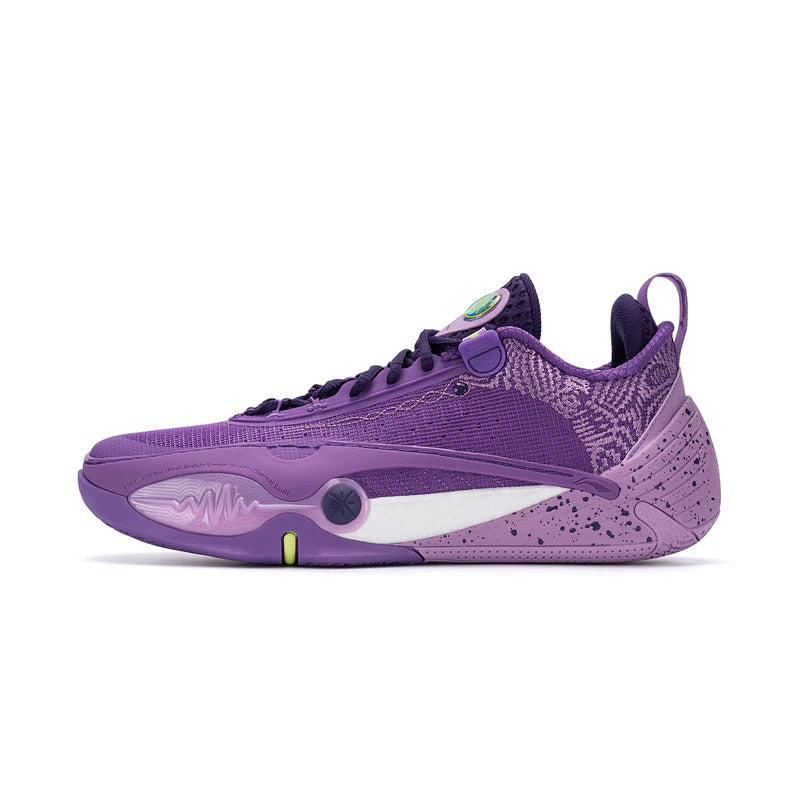
LI-NING W.o.W All City 14 Basketball Shoes (SHOP HERE)
The LI-NING W.o.W All City 14 is a performance-focused basketball shoe designed for players who need reliable footwear for dynamic movement on the court. Its basketball-specific design makes it a strong option for training sessions, pickup games, and competitive play.
Pairing proper footwear with consistent skill work allows you to focus on improving your game while staying comfortable on the court.
Create a Consistent Practice Routine
You don't need to spend hours practicing every skill in one session. Instead, create a routine that gives attention to different fundamentals throughout the week.
A simple session could include:
10 minutes: Ball handling and dribbling
10 minutes: Passing and footwork
20 minutes: Shooting and finishing
10 minutes: Defensive movement and conditioning
10 minutes: Free throws and game-speed drills
The most important part is consistency. Regular practice allows fundamental movements to become more natural over time.
Fundamentals First, Advanced Skills Later
It's easy to get distracted by highlight-reel moves and advanced techniques, but strong fundamentals remain the foundation of good basketball.
A player with excellent ball control, shooting mechanics, footwork, passing, and defensive awareness will always have a strong base to build upon.
Once these skills become second nature, you can start adding more advanced moves and techniques to your game.
Final Thoughts
Basketball fundamentals aren't just skills for beginners. Even experienced players continue to work on the basics because consistency comes from repetition.
Whether you're improving your handles, developing your shot, working on your defense, or becoming a smarter player, focusing on the fundamentals can help you become more confident and effective on the court.
At Toby's Sports, you'll find basketball shoes, equipment, and training essentials to support your development at every level.
Keep practicing, stay consistent, and let the fundamentals become the foundation of your game.